Card Sleeves 101: A Comprehensive Guide to Card or Deck Protection
|

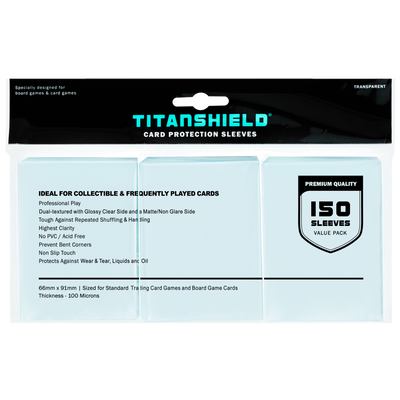


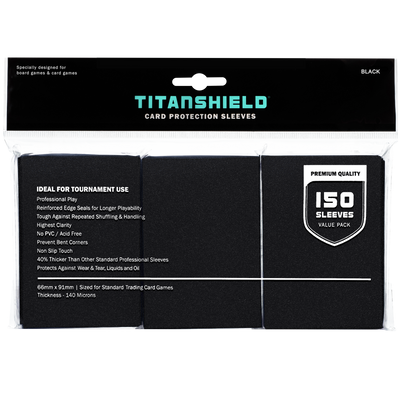








Every player knows someone who lost a foil to soda at game night, found mold creeping into a box stored in the garage, or watched a rare card slide out of an old binder page and hit the floor.
Protecting your cards goes hand in hand with enjoying the hobby. The right card sleeves, deck boxes, and simple habits keep your deck clean, crisp, and ready for every shuffle, event, and trade.
Edge whitening, corner dings, and light scratches don't look like much until you try to trade or check a card's price. A single nick can drop a near-mint card to lightly played, and that's real value lost, especially for foils. During gameplay, dirt, oils, and rough shuffling only make things worse.
Think of protective card sleeves, deck boxes, and binders as insurance. You're not just keeping cards looking good; you're preserving playability, resale value, and the ability to sell or trade down the road.
A few dollars in sleeves now often beats hunting down a replacement at double the cost later.
Not all sleeve plastics behave the same over time, and choosing the right material protects your cards from chemical migration, yellowing, and long-term stickiness.
Pro tip: Avoid sleeves with plasticizers. These chemicals keep PVC flexible but can migrate to card surfaces over time.
| How to tell if a sleeve uses plasticizers |
|---|
| If it feels soft, rubbery, or has a strong chemical smell, it’s likely plasticized PVC and not suitable for direct card contact. |
Now that you know the three sleeve types, let’s move on to sizing. Because a perfect fit is half the battle.
In this section, we’re focusing only on soft sleeves because they come in many different sizes, while semi-rigids and rigids are generally standardized to one main size.

Smart protection begins with great card sleeves. Now that you've seen why materials matter, the next step is pairing them with a few everyday habits that help extend your cards' lifespan.
Start with inner sleeves (often called perfect fits). These thin, soft card sleeves hug the card to help keep out dust and moisture. Insert cards top-first to minimize exposure at the opening.
Then add outer protective card sleeves in the correct size for your deck: standard size for Magic: The Gathering and Japanese size for games like Yu-Gi-Oh! Colored or matte backs help maintain opacity and smooth shuffling, while double-sleeving locks the card in place and reduces friction on the card’s actual surface.
If you want the slickest shuffle feel and longest lifespan, choose premium card sleeves with reinforced seams. Clear card sleeves work when you need to show the card back, but for tournaments and full privacy, opaque backs are the safer call.
A few things to keep in mind:
Table surfaces are unpredictable. A clean playmat is your first barrier. It stops grit from grinding into sleeves. Wash your hands before you play, as skin oils make sleeves grimy faster.
Riffle shuffle gently from the sides, not the corners. If your sleeves start to split, don't "just finish the round." Swap immediately. Keeping 5–10 spare sleeves of your exact product in your deck box is a clutch habit.
For foils and high-value staples, choose outer sleeves with a matte texture to cut glare and fingerprints, and double-sleeve every time.
Your cards take the biggest hits in bags and cars. Use a sturdy deck box that won't pop open. Latching lids or magnetic closures are much safer than friction-fit designs. If you’re carrying multiple decks, a case with dividers keeps boxes from rattling around.
For singles, avoid tossing loose cards into your backpack. Put them in soft card sleeves first, then into a toploader or semi-rigid holder, and finish with a team bag. Keep your bag upright so decks don't lean and warp. Note that toploaders and semi-rigids aren’t typically used during gameplay but mainly for storage, sale, or trade.
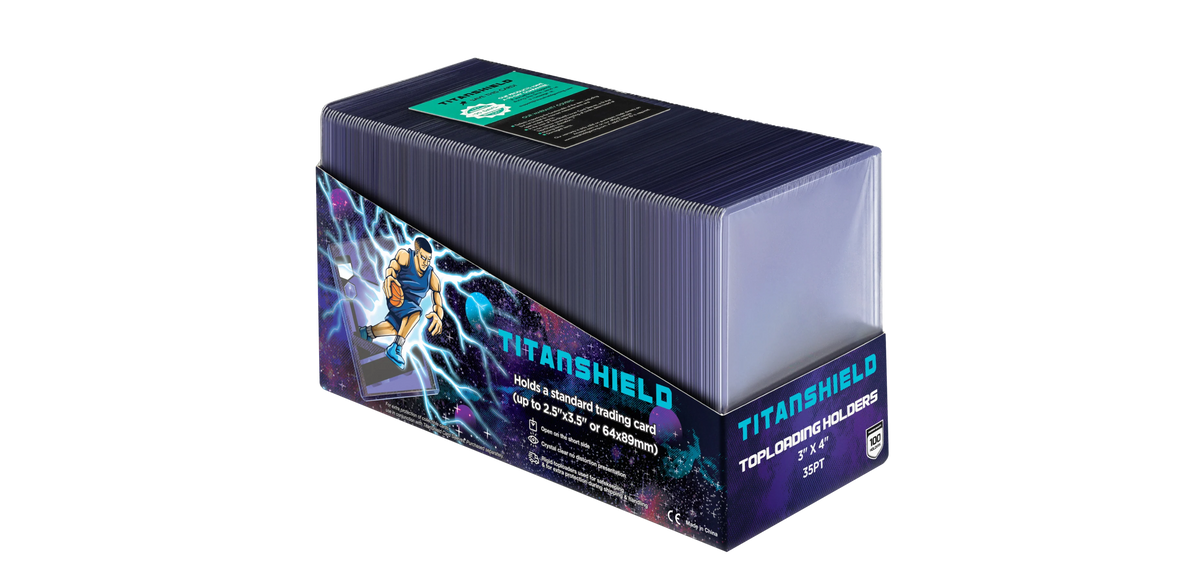
Many collectors transport singles in dedicated toploader storage boxes or binders designed for rigid holders.
Binders are great for browsing and trading, but sleeve pages vary in quality. Use side-loading, PVC-free pages to stop cards from sliding out and to avoid plasticizers that can damage the card stock over time.
Store binders upright on a shelf, not stacked, to prevent pressure dents. Keep them out of direct sun, away from radiators, and in rooms that don't swing wildly in temperature or humidity. If you need quick access to staples, sort by color or format so you don't over-handle pages while you search.
Avoid rubber bands and overstuffing. Both warp cards. Ring binders can cause “binder dings,” where cards get pinched between rings and covers, especially if the binder is overfilled or pages are handled carelessly. Sewn-in binders with side-loading pages offer safer, more stable long-term storage.
For bulk and long-term storage, use corrugated card storage boxes sized for standard cards. Place a spacer at the front so cards stand straight instead of leaning or bowing. It also helps to keep the row slightly full so the cards don’t slide around and pick up corner wear. Too much open space is one of the most common reasons cards shift and scrape against each other.
Aim for 40–60% relative humidity and cool, stable temperatures. Double-sleeve any high-value cards you decide to store in long boxes. If you’re keeping sealed product, avoid concrete floors, attics, and garages. Big temperature changes in those areas can warp packaging and the cards inside.
Label your boxes clearly with the set, language, and any standout pulls. It saves time and keeps you from digging through and reshuffling your collection every time you need something.
Sleeves are consumables. When edges start to cloud, seams split, or shuffling feels tacky, it's time to replace them. Most players replace worn sleeves as needed and then re-sleeve the full deck only when the sleeve set no longer matches or feels consistent.
Wipe playmats and tables to reduce grime. If sleeves pick up dust, a quick microfiber wipe helps, but don't wash sleeves, as they can warp. Keep an extra pack of your exact sleeves in stock since color shades can vary between runs and brands, whether you buy locally or on Amazon.
Foil cards and prized staples are more sensitive to their environment. Double-sleeve them every time, even if they don’t leave the house. Foils are especially prone to curling when humidity changes quickly, so keep them in a stable environment. Avoid leaving decks in hot cars, near windows, or anywhere temperatures swing.
In binders, always use side-loading, PVC-free pages to keep them secure. Matte outer sleeves help reduce glare and fingerprints while giving you a smoother shuffle feel.
If a card has significant value, consider storing it in a top loader or semi-rigid holder when it’s not in your active deck. The right sleeve setup goes a long way, but it can’t override poor storage conditions.
Once you know what you’re protecting against (shuffling, storage, shipping, or display), it’s easier to choose the sleeve style that fits. This table breaks it down at a glance.
| Protection goal | Recommended sleeve |
|---|---|
| Gameplay | Premium matte sleeves with strong seams |
| High-value singles | PP soft sleeve → semi-rigid or toploader |
| Shipping cards | Inner sleeve → soft sleeve → toploaders |
| Binder storage | PVC-free, side-loading PP binder pages |
| Bulk sorting | Penny sleeves (40–60 µm) |
| Display | Crystal-clear OPP sleeves for maximum clarity |
If you want cards to avoid unnecessary wear, avoid these common mistakes and keep an eye on the environmental risks that affect long-term storage.
A lot can go wrong during gameplay, but most issues disappear with a quick look through your setup. Here’s a simple pre-session checklist that keeps your deck clean, consistent, and ready for the table.
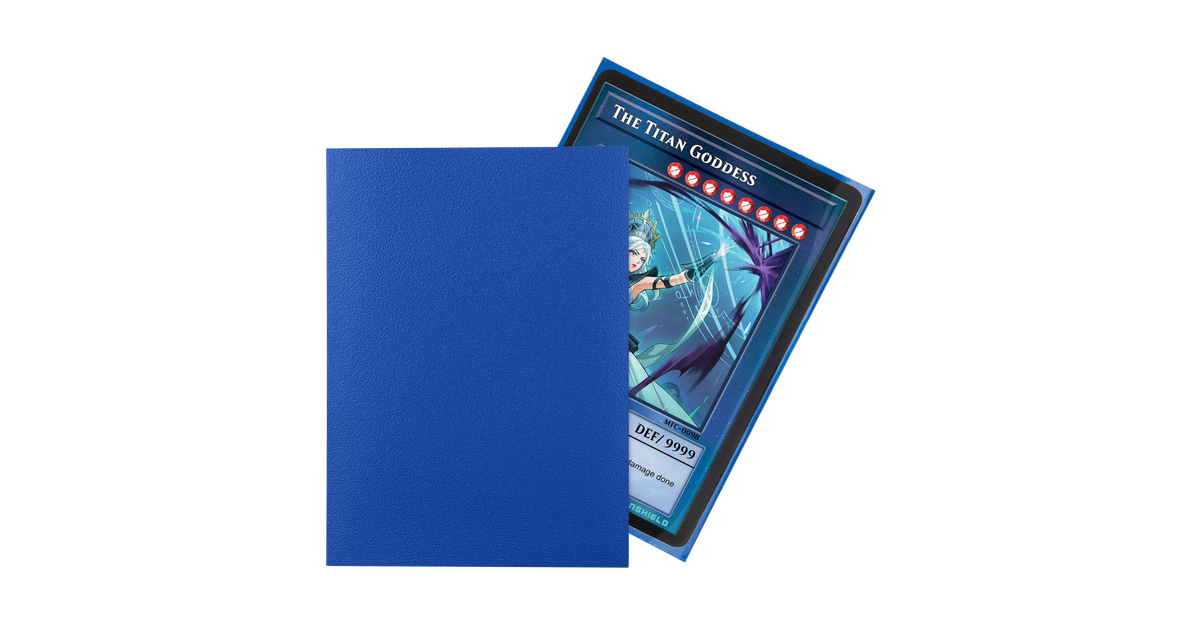
Cards are both game pieces and collectibles. When you build protection from the inside out (with perfect fits, outer sleeves, sturdy deck boxes, and smart storage), you protect more than paper. You’re protecting your time, your trades, and your deck’s performance.
Choose sleeves that match your style, keep a few spares ready, and treat every shuffle like it matters. Your future self will thank you.
Ready to upgrade your setup? Explore our full lineup of TitanShield card sleeves. Questions about sizing, fit, or sleeve selection? Contact us, and we’ll help you find the best option for your deck.
It’s not a “casual vs. tournament” decision. Double-sleeving makes the most sense when a card is valuable (think high-end collectibles), foil, part of a deck you use often, or something you plan to store long term. It adds protection against spills, dust, and seam splits, and premium card sleeves tend to hold up better when an inner sleeve absorbs some of the friction.
Control humidity (aim for mid-range), double-sleeve, and store foils in a snug deck box or binder with side-loading pages. Rapid changes in temperature or moisture are what trigger the curl, so keep conditions steady.
Yes, premium clear sleeves protect just as well as colored or matte sleeves when the material and thickness match. Penny sleeves, which are also clear, do not. They’re thinner and designed for storage, not gameplay.
Join TitanShield's Rewards Program:
Track your rewards easily and redeem them whenever you're ready. Earn 100 points for signing up.