Best Pokémon Card Sleeves in 2026: A Protection and Durability Guide







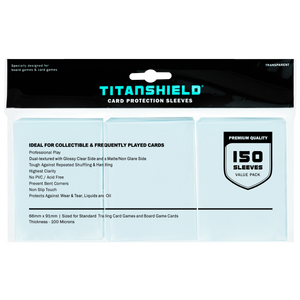


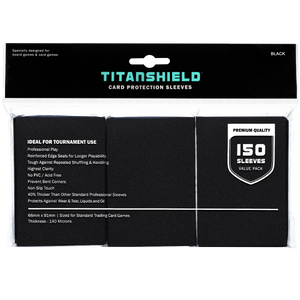


Pokémon cards have real resale value now, and the market doesn't forgive damage. Edge wear, scratches, and corner dings can cut a card's price in half. If you're not sleeving properly, you're literally losing money every time you shuffle.
That's why the best Pokémon card sleeves aren't a nice-to-have anymore; they're risk management.
But here's the thing: sleeve quality varies widely across the market. Between inconsistent factory cuts, cloudy film, and the occasional counterfeit "brand name" pack floating around marketplaces, buying sleeves isn't the brain-off purchase it used to be.
This guide focuses on protection, durability, shuffle feel, and value. You'll learn what keeps cards safe, what's worth paying for, and what's just marketing.
Here's what to look at when evaluating the best sleeves for Pokémon cards in real-world use.
Note: These observations reflect community feedback, gameplay patterns, and collector experience, focusing on what tends to happen after weeks and months rather than day-one impressions.
High-quality Pokémon card sleeves do a few things consistently: they fit properly, they don't split, and they protect surfaces and corners without making your deck difficult to shuffle.
But the right sleeve for you depends on how you actually use your cards. Before looking at specific options, it's worth asking yourself a few things:
The answers shape everything from which thickness makes sense to whether you need a matte or gloss finish. Let's walk through each of those considerations.
If you shuffle a deck often (league nights, online-to-in-person testing, or any kind of competition), sleeves naturally wear down.The question isn't whether they'll wear, but how long they hold up before seams split, corners fray, or shuffling starts to feel inconsistent.
What to prioritize for frequent play:
Sturdy material, consistent sizing, and strong seams are exactly what you want when your deck is getting handled constantly.
Some sleeves offer strong protection but feel awkward in play. Others handle beautifully but show scratches, clouding, or grime more quickly. Shuffle feel comes down to backing texture, material finish, and how the sleeve grips against other sleeves.
Note on clarity: Matte sleeves are designed to reduce glare, which can slightly soften the look of holo cards compared to ultra-gloss finishes. Many players won’t notice the difference, but collectors, especially those running holo cards, often do. Textured backs can also attract dust more easily if decks are stored in open environments.
If you're sleeving a casual deck you expect to replace, minor clouding over time may not be a dealbreaker. But if you play with a deck you care about or rotate cards from your collection into play, you want protection that doesn't come at the cost of visibility. Clarity matters both for presentation and for reading cards quickly during play.
What to look for:
Ultra-clear sleeves can make colors pop, but glare under LED lighting can be distracting. If your locals play under bright overhead lights, consider a sleeve with a reduced-glare finish to improve visibility during longer rounds.
High-quality sleeves stay clear longer because they resist micro-scratches and don't soften or warp quickly. Budget films tend to cloud more quickly, especially with repeated shuffle wear.
Double sleeving is about maximum protection: an inner sleeve (perfect fit) plus an outer sleeve. Done correctly, it helps protect against dust, moisture, and edge exposure, especially for decks you travel with.
A double-sleeved deck is thicker, which affects:
Double sleeving takes patience. Perfect-fit inner sleeves can be snug, so rushing the process may bend or stress a corner. If you’re sleeving high-value cards, work slowly and avoid handling the corners directly.

There’s a place for inexpensive sleeves, but be clear about what you’re getting: basic protection suited for low-stakes use.
If you're actively playing, budget sleeves tend to wear fast. That wear becomes friction, grime, and corner stress, exactly what you're trying to avoid. If your deck is worth $50+, budget sleeves aren't worth the risk for regular play.
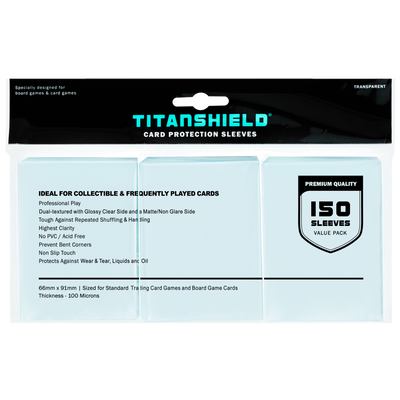
Pokémon cards are standard size, not Japanese size. A Pokémon card is roughly 63×88 mm. Standard sleeves are slightly larger, commonly listed around 66×91 mm, so the card slides in without corner pressure.
That small extra space prevents:
Tight fits (often called perfect fits) are meant to be inner sleeves. When used as outer sleeves, they:
Despite the brand's origins, Pokémon cards are standard size. Japanese size sleeves are too small for Pokémon cards, and attempting to use them risks corner damage and bending. Always confirm that the sleeve is labeled “standard size” before purchasing.
If you're protecting a high-value deck, traveling often, or storing cards long-term, double sleeving is usually worth it. If you're sleeving a casual deck you rebuild weekly, it might be overkill.
Most events allow double-sleeved decks, but thickness can be an issue. Your deck might not fit certain deck boxes, and shuffling can be slower. If you're playing in competition, test the feel before event day so you're not fighting your sleeves during a long tournament day.
If you're storing rather than playing, consider combining approaches: inner sleeve + outer sleeve, then into toploaders or a card saver for singles you truly don't want to risk. That's the "belt and suspenders" setup for cards worth real money.
The best Pokémon card sleeves aren't defined by one brand but by what you're doing with your cards.
If you want one simple rule, match your sleeve spend to your risk. If a single card in your deck is "worth protecting," your sleeves should be sturdy, consistent, and designed to protect, not just to hold.
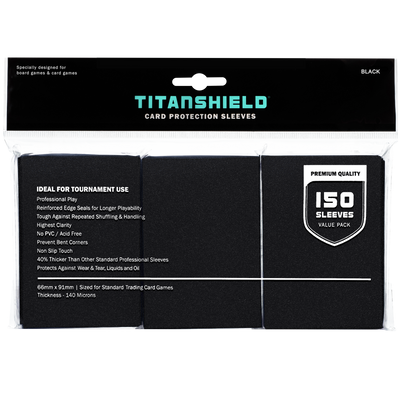
Check out TitanShield Pokémon sleeves for tournament-grade protection that balances durability, clarity, and shuffle feel. Have questions or concerns? Contact our support team. We're here to help you protect your collection.
For long-term protection, use acid-free inner sleeves plus a durable outer sleeve, then store high-value singles in rigid holders (toploaders or card savers). For sets in binders, use sturdy sleeves in quality binder pockets to reduce dust and surface scratches.
Not always. Thicker sleeves tend to protect better and feel sturdier, but they can make a deck bulky and harder to shuffle, especially if double sleeved. The "best" thickness is the one that protects your cards without making gameplay miserable.
Yes, Pokémon uses standard size, the same general sleeve category as Magic the Gathering, One Piece TCG, Lorcana and many other trading cards. Just avoid Japanese-size sleeves unless you're specifically sleeving Japanese-size cards.
Replace them when you notice sleeve edges whitening, corners splitting, cloudy fronts, or inconsistent shuffle (clumping). For a frequently played deck, that can be every few months, sooner if you play weekly tournaments.
Absolutely. Sleeves reduce scratches, edge wear, corner dings, and grime, exactly the flaws that can drop a card's condition and potential grade. If you care about resale or PSA outcomes, sleeves are cheap insurance.
Penny sleeves are thin, cheap, and designed mainly for basic storage (often paired with top loaders), and they're also cut a bit wider to accommodate a range of card types, including slightly thicker sports cards. Tournament sleeves are thicker, more consistently cut, and built for active play. They’re designed to withstand repeated shuffling, resist seam splitting, and provide better corner and edge protection during gameplay.
No. Graded slabs don't fit in standard card sleeves. For graded cards, use slab sleeves specifically designed for PSA-style holders, and store them in a dedicated case or box for protection.
They can. Under bright overhead LEDs, ultra-glossy fronts may reflect heavily, which is annoying for you and sometimes for opponents trying to read cards. If your local store lighting is harsh, matte sleeves can reduce glare and improve the experience.
Join TitanShield's Rewards Program:
Track your rewards easily and redeem them whenever you're ready. Earn 100 points for signing up.