Your Complete Guide to Card Sleeves
|

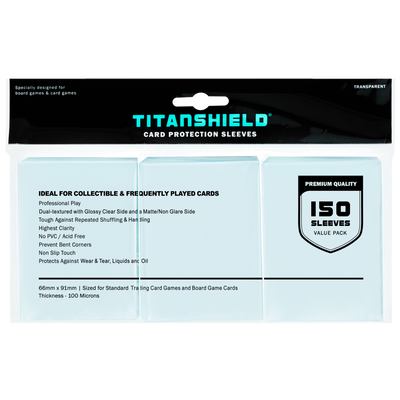


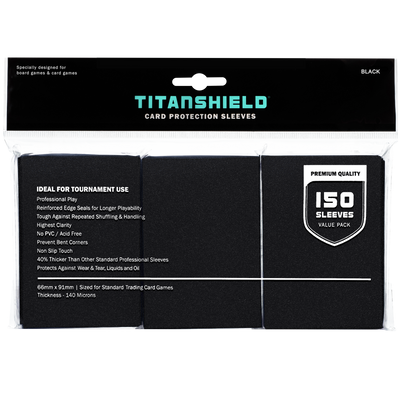






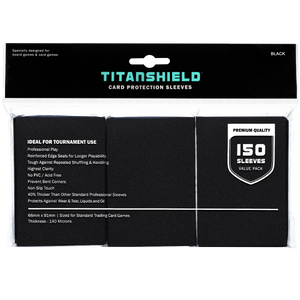


If you collect, trade, or battle with your cards like they’re precious artifacts straight out of a Stranger Things quest log, you already know: sleeves are your first real line of defense.
From Logan Paul flexing rare Pokémon pulls to pro MTG grinders keeping their foils pristine, every serious player protects their decks.
In this complete guide to card sleeves, we break down sizes, materials, thickness, durability, and exactly which sleeves belong on which cards. Whether you’re sorting bulk on a Sunday or gearing up your tournament deck for Friday Night Magic, we’ve got you (and your holographics) covered.
Soft, semi-rigid, and rigid sleeves are the three main types you’ll see on the market:

These are the sleeves most players and collectors hear about first. This category includes deck protectors for playing and penny sleeves for simple storage. They’re flexible, affordable, and great for everyday use. Soft sleeves also come in a wide variety of sizes, which we’ll break down in more detail next.

These sit right between soft sleeves and hard holders. They use thicker, sturdier plastic than soft sleeves, so they hold shape and protect against bending but still have a bit of flex. They’re a popular choice for shipping cards, keeping cards flat in storage, and for grading submissions because they protect well without the bulk of a toploader. Semi-rigids usually come in just one standard size. They’re made specifically to fit “standard” trading cards and to meet grading company submission guidelines, so a single universal fit keeps things simple and consistent.
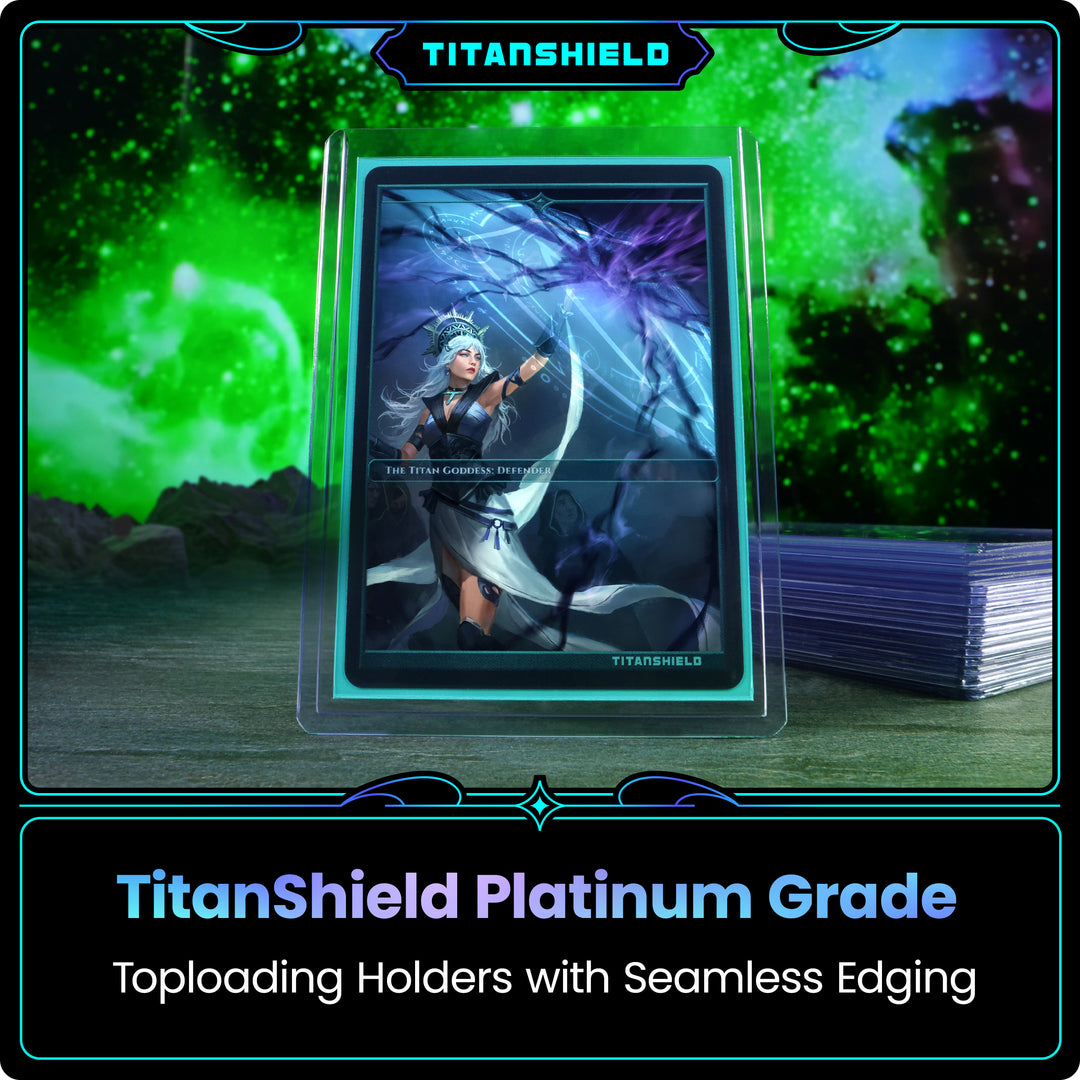
These are the hard plastic holders, most commonly known as top-loading holders or toploaders. They offer maximum protection and are typically used for higher-value cards, long-term storage, display, or safer mailing. Cards are kept rigid and flat, preventing bending and creasing during storage, handling, or shipping.
Toploaders also come in different thicknesses to accommodate cards of varying depths, from standard trading cards to thicker premium, relic, or sports cards. The most common size is 35PT (for cards of standard thickness).
Now that you know the three sleeve types, let’s move on to sizing. Because a perfect fit is half the battle.
In this section, we’re focusing only on soft sleeves because they come in many different sizes, while semi-rigids and rigids are generally standardized to one main size.
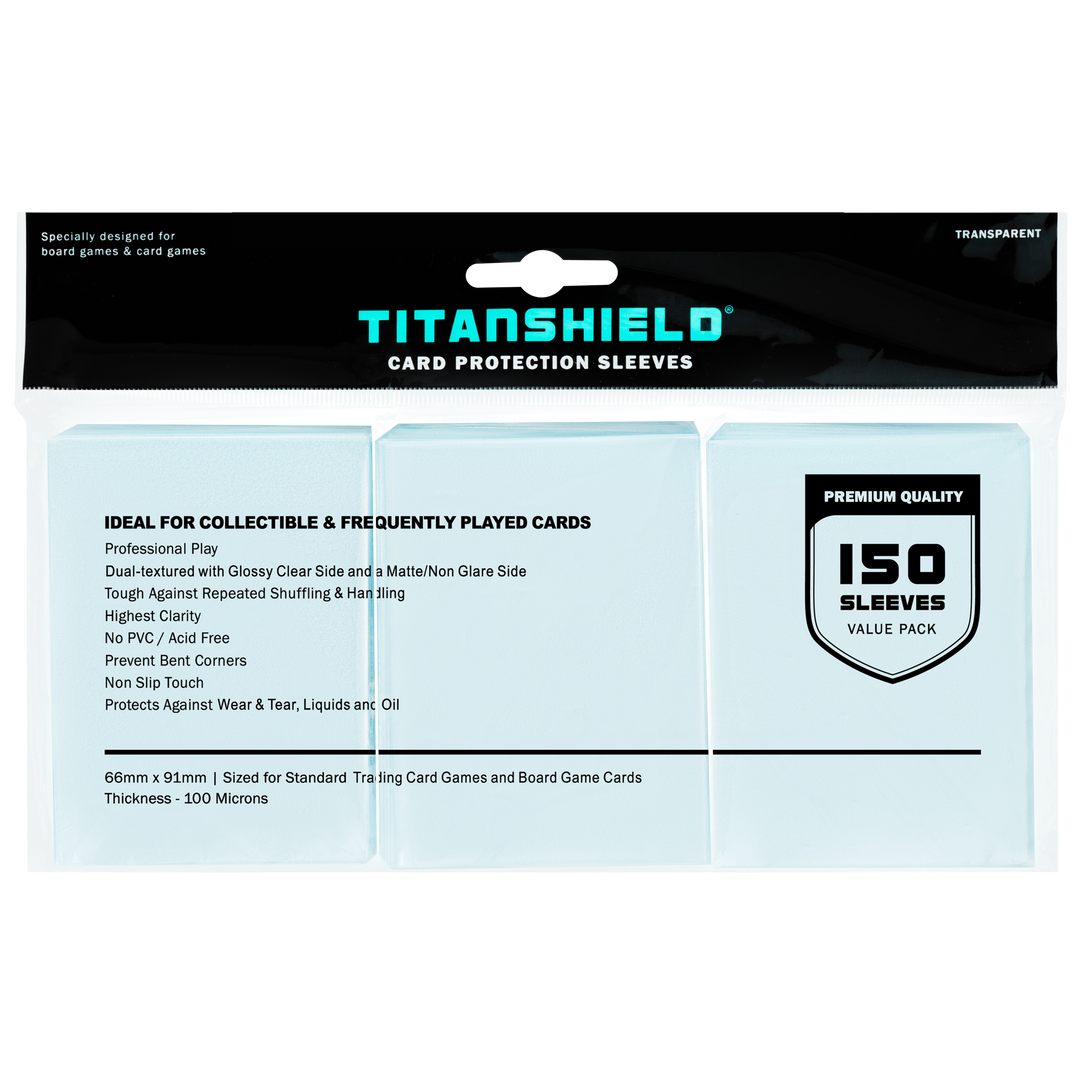
Yes, Pokémon is actually standard size (not Japanese!). The cards themselves are roughly 63 x 88 mm, and standard sleeves are a few millimeters wider and taller to account for the card’s thickness. Most trading cards fall into this category.
If you plan to use these sleeves for sports cards, keep in mind that they may not ALL fit. That’s because sports cards tend to come in varying thickness.
Check out a special sports edition sleeve we created here, which is 2 mm wider to accommodate sports cards: https://www.titanshield.com/products/premium-sports-cards-sleeves-150-count .
You can also browse our Standard Size Collection here.

Japanese-sized sleeves are almost exclusively for Yu-Gi-Oh! and Cardfight!! Vanguard. The cards themselves are about 59 x 86 mm. Checkout our Japanese Card Sleeves here.

They’re designed for double sleeving: slide the card into an inner sleeve first, then place it into a standard outer sleeve (66 × 91 mm). Used together, this combo gives your cards maximum protection. Checkout our Inner Sleeves collection here.
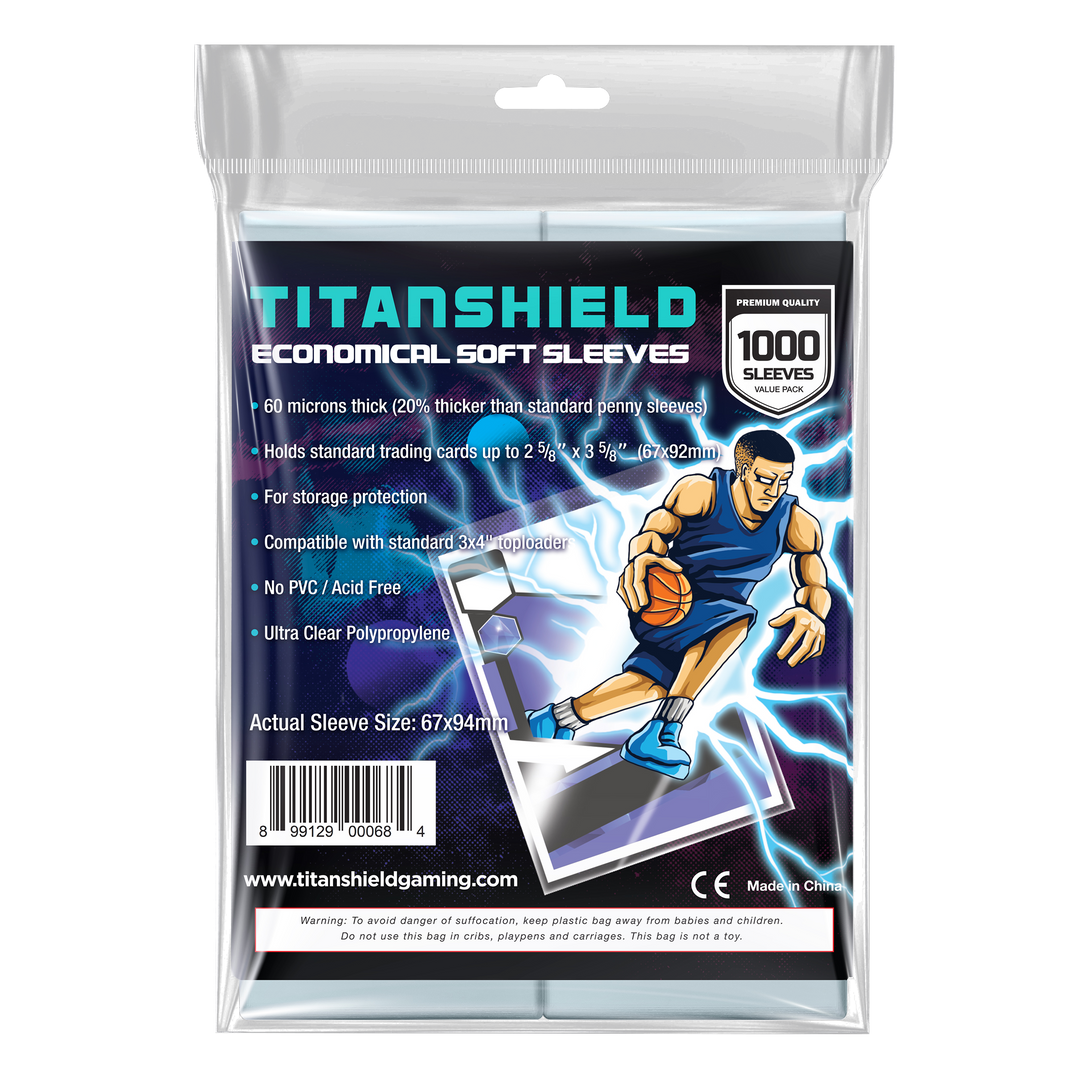
“Penny” sleeves are the lightweight, budget-friendly soft sleeves mainly used for storage and basic protection, not for deck play. They’re great for keeping dust, fingerprints, and light surface scuffs off cards while sorting, boxing, or putting cards into binders.

You’ll find that there’s a lot of variety here because board game designers can pick whatever card size fits the game best: mini-style cards for resources, standard cards for characters, square cards for tiles, or oversized cards for big art and readability.
Unlike trading cards, board games don’t follow one universal standard, so sleeving is all about matching the exact dimensions.
Here are the most common board game sleeve sizes, which should cover more than 90% of board games:
Check out our guide here to find the correct sleeve size for your board game.
Most protective card sleeves are made from polypropylene (PP). In fact, most soft sleeves on the market are made of polypropylene. It’s the plastic most reputable card sleeves are made from because it’s stable, clear, and safe for long-term storage. It’s considered archival-safe and non-PVC, meaning it doesn’t leach harmful chemicals over time the way PVC can. So it won’t damage your cards.
PP sleeves are also acid-free, which helps prevent yellowing, stickiness, or reactions with the card surface and ink. On top of that, PP offers great clarity for clean display, and it’s flexible enough for easy sleeving and shuffling while still being durable at higher thicknesses.
Common finishes and what they do:
Semi-rigid sleeves and toploaders are usually made from rigid PVC because PVC is one of the few plastics that can be formed into a truly stiff holder while staying crystal clear, which is exactly what these products need to do.
Most leading brands in the hobby use PVC for this reason, and some even specify that their PVC is “stationary grade” or made without added plasticizers so it stays stable and doesn’t migrate onto cards.
PVC has a mixed reputation in long-term collecting, so the industry standard best practice is simple: always put your card into a soft polypropylene sleeve first, then slide it into the semi-rigid or toploader. The PP sleeve acts as a safe buffer against surface contact and scratches, while the PVC outer gives you the rigidity and clarity you want.
You’ll also see some newer “non-PVC” toploaders made from PETG, marketed specifically for archival storage. But PVC remains the most common material because it’s proven, durable, and cost effective at scale.
Finally, material aside, environment matters a lot for long-term safety, so keeping toploaded cards away from high heat, humidity, and direct light will do more for preservation than overthinking the plastic label.
One lesser-mentioned material in the North American market is OPP. OPP sleeves are still polypropylene sleeves. The “O” simply means the film has been oriented, or stretched, during manufacturing, which changes how it behaves. That stretching is what gives OPP its signature, glass-like clarity, but it also makes the sleeve feel more crisp and less stretchy than regular PP.
As a result, OPP does not heat-seal as well and can wrinkle or crease if you’re not careful while sleeving or shuffling.
Even with those tradeoffs, many players, especially in Japan, love OPP for one reason: when you want the highest possible clarity, nothing shows off a card’s true colors quite like it. Because of that premium look, OPP sleeves also tend to cost a bit more, and people usually choose them when display and color pop matter most.
At TitanShield, all of our soft sleeves are made from virgin, premium-grade polypropylene, so you can protect your cards and play with confidence.
| Material | What It Is / Key Traits | Pros & Cons | Best Uses |
|---|---|---|---|
| Polypropylene (PP) | Clear, flexible, acid-free, non-PVC; most common sleeve material |
Pros: Archival-safe, good clarity, no chemical leaching, durable Cons: Not rigid |
Soft sleeves, inner sleeves, gameplay, long-term storage. |
| Oriented Polypropylene (OPP) | PP stretched for higher clarity; crisp, less stretchy feel |
Pros: Highest clarity, premium color display Cons: Creases easily |
Display sleeves; collectors wanting maximum clarity. |
| PVC (rigid PVC) | Hard, clear plastic for toploaders and semi-rigids |
Pros: Very stiff, very clear, cost-effective Cons: Not archival-safe on direct contact |
Toploaders and semi-rigids used with a PP sleeve inside. |
| PETG | Non-PVC rigid plastic; clear and archival-friendly |
Pros: PVC-free, stable, no plasticizers Cons: Less common and more expensive |
Archival rigid holders for PVC-avoidant collectors. |
Sleeve thickness is a key factor in durability and price. It's usually listed in microns (µm) per sleeve side.
Durability isn't only about thickness. Look for:
If you play weekly, premium thickness often saves money over time because sleeves don’t wear out as quickly.
At TitanShield, we make sleeves on the thicker end so they protect longer. We are the only brand offering 60 µm penny sleeves and 60 µm inner sleeves, giving extra durability even in thin styles. Our premium sleeves use 100 µm clear fronts and 140 µm colored backs, both on the upper end for dependable strength and a better shuffle feel.
Different situations call for different sleeve types. Here’s the quick map:
| Sleeve Type | Best For | Protection Level | Notes |
|---|---|---|---|
| Soft sleeves (penny sleeves) | Sorting, bulk storage, pairing with toploaders | ★★☆☆☆ | Budget-friendly and flexible; not for gameplay |
| Inner sleeves (perfect fit) | Double-sleeving to protect foil and high-value cards | ★★★★☆ | Goes inside an outer sleeve to block dust and moisture |
| Premium sleeves (deck protectors) | Frequent play, competitive decks | ★★★★★ | Thicker seams, better shuffle feel, long-lasting |
| Over / outer sleeves | Protecting art sleeves and deck aesthetics | ★★★★☆ | Goes over a standard play sleeve; prevents scratches |
| Toploaders / semi-rigids | High-value singles, shipping, grading prep | ★★★★★ | Rigid holders to prevent bends and crushing |
Because game nights, shuffles, and snacks happen. Protective card sleeves guard against:
If you care about trade value or want your deck to last, sleeves aren’t optional — they’re standard gear.
Use this simple pairing approach:
Pro tip: Always double-check the product listing for size and finish. Some retailers group multiple sizing options on one page. Watch the dropdowns carefully.
Good habits multiply the protection you get from TCG card sleeves.
Binder tip: Lay binders flat when transporting to reduce corner pressure on the top rows.
| DO | DON’T |
|---|---|
| Store cards upright in card boxes or binders | Let them pile or lean at angles |
| Keep cards cool and dry | Leave cards in hot cars or near windows |
| Use acid-free, PVC-free binder pages | Mix PVC pages with archival-safe sleeves |
| Clean playmats and hands before games | Eat snacks or touch cards with greasy fingers |
| Replace sleeves when edges wear out | Keep playing with split seams or whitening edges |
| Lay binders flat during transport | Stand binders upright while moving them |
Sleeves are the simplest way to protect the cards you care about, whether that’s a tournament deck you shuffle every week or a binder full of shiny pulls you guard like treasure. Now that you know the right sizing, materials, and sleeve types for different situations, you’re set to make smarter choices that keep your cards looking fresh for years.
Start where it matters most: the cards you play with and the ones you’d hate to replace. Double-sleeve valuable foils, swap out worn play sleeves, and check your storage setup to make sure everything is archival-safe.
Ready to upgrade your card protection? Explore TitanShield card sleeves and find the perfect fit for your collection. If you have questions about what to buy or how much you need, our team is here to help. Just reach out anytime.
No. Most modern trading card sleeves are, but not all. Look for clear "acid-free" and "PVC-free" on the packaging or product page. When in doubt, choose archival-safe protective card sleeves.
It's placing a card into a perfect-fit inner sleeve, then into a standard outer sleeve. Double-sleeving adds dust and moisture protection, improves rigidity, and keeps edges crisp, even after heavy shuffling.
Opaque, non-marked backs with uniform color and condition across the deck. No reflective patterns that could reveal card positions.
For weekly players, every 1–3 months or sooner if you see whitening, splits, or cloudy fronts. Competitive events often demand fresh-looking sleeves.
Double-sleeved with a snug inner and a premium matte or crystal-clear outer. Matte reduces glare, while clear maximizes shine. Keep them dry and clean.
Wipe gently with a dry microfiber cloth. For stubborn smudges on clear card sleeves, a barely damp cloth works. Let sleeves dry fully before use, and never use solvents.
Join TitanShield's Rewards Program:
Track your rewards easily and redeem them whenever you're ready. Earn 100 points for signing up.